

Rose Pruning Guide: When and How to Prune Roses
July 3, 2026
Prepping Your Garden Now for a Spectacular Spring Display
August 1, 2026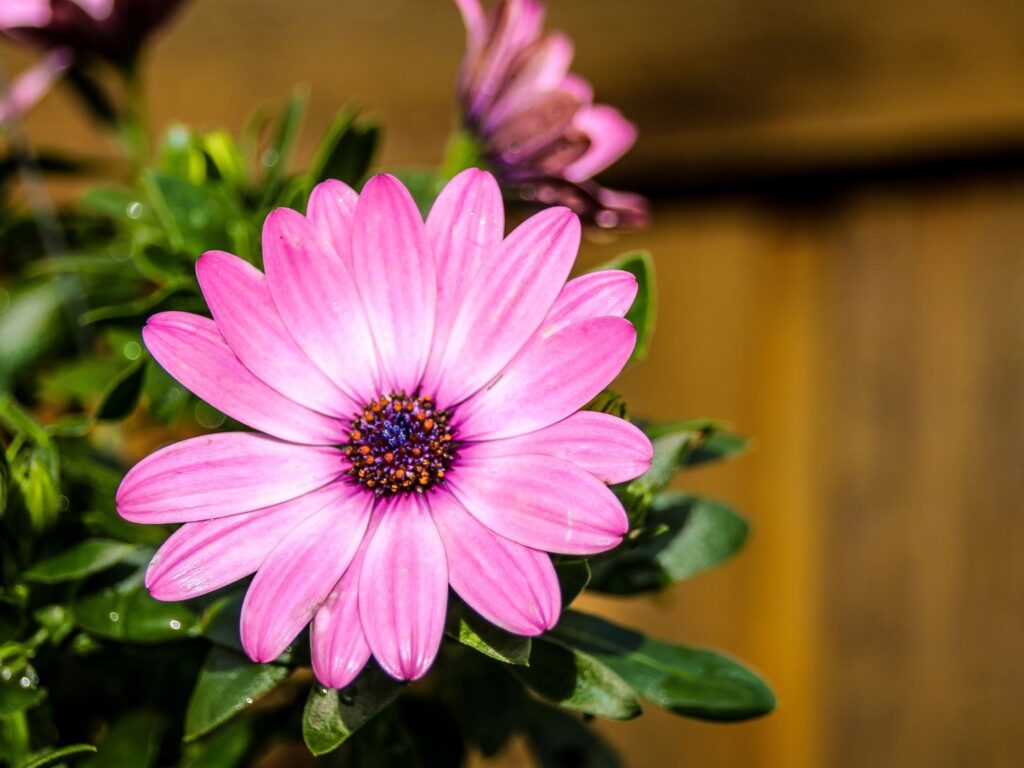
A Colourful Transition from Winter to Spring
The winds of August carry an exciting promise – the arrival of spring is just around the corner. After months of caring for your garden through the colder season, your efforts are about to be rewarded with vibrant blooms, fresh new growth and flourishing vegetable patches.
August is a month of transition. While there’s still plenty of beauty to enjoy from winter favourites, now is the ideal time to prepare your garden for the warmer months ahead. Feed your soil, refresh your beds, tackle essential maintenance, and give your lawn and plants the nutrition they need before spring bursts into full swing.
From dazzling daisies and summer bulbs to productive vegetable gardens and lush green lawns, here’s everything you should be doing in your garden this August.
Fulfilling Flowers
Crazy About Daisies
If there’s one plant that steals the show in August, it’s the daisy. These cheerful bloomers provide an explosion of colour just when gardens need it most, brightening beds, borders and containers with ease.
Thriving in full sun, daisy bushes are easy to grow and reward gardeners with months of spectacular blooms. Whether planted in autumn or purchased as established plants, they’re a wonderful way to fill the late-winter garden with colour before spring arrives.
Seven Daisies to Plant This Month
Cape Daisy (Osteospermum)
An indigenous, water-wise favourite available in an incredible range of colours. Flowering from spring through autumn, it’s ideal for sunny South African gardens.
Marguerite Daisy (Argyranthemum)
A butterfly favourite with cheerful blooms in single and double varieties. Flowers continuously from spring into autumn.
English Daisy (Bellis perennis)
A vigorous grower producing masses of charming red, pink and white pom-pom flowers from winter into spring.
Golden Daisy Bush (Euryops chrysanthemoides)
A hardy evergreen shrub that produces brilliant golden-yellow flowers from autumn through spring.
Livingstone Daisy (Mesembryanthemum)
A dazzling groundcover bursting with vibrant shades of pink, orange, yellow, purple and crimson. Flowering begins in August before reaching its peak in September.
Shasta Daisy (Leucanthemum)
A timeless garden favourite with crisp white petals surrounding sunny yellow centres. These vigorous perennials flower from late spring into autumn.
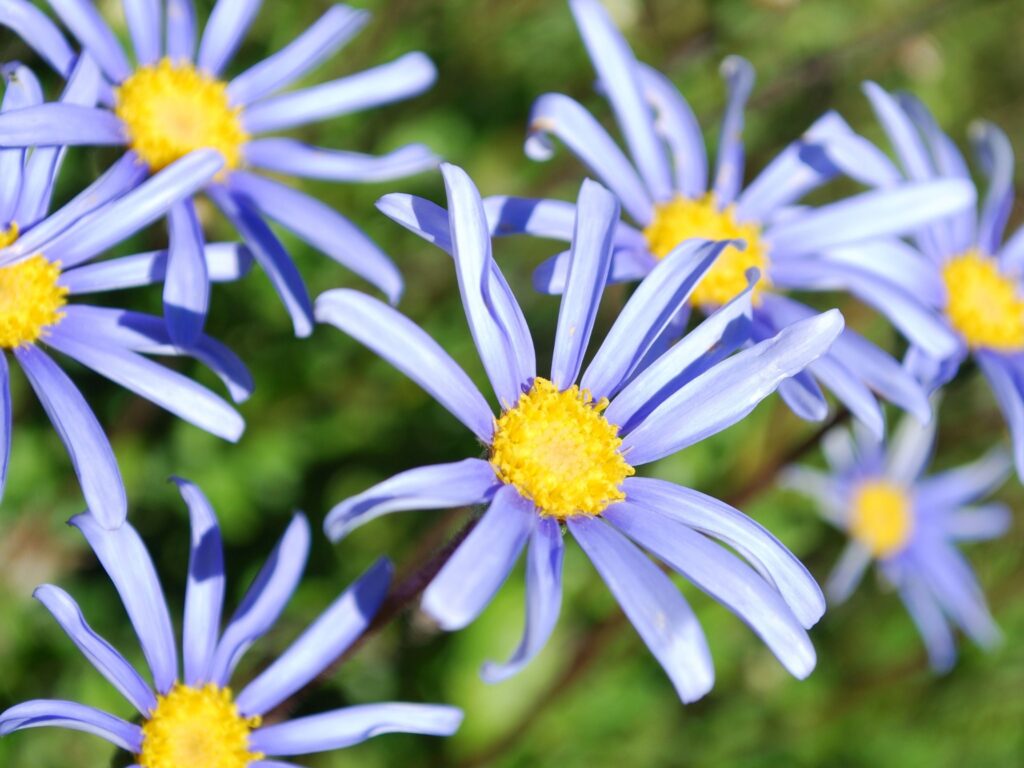
Kingfisher Daisy (Felicia amelloides)
A beautiful indigenous plant covered in sky-blue flowers that attract butterflies throughout spring and summer.

Keep the Colour Coming
Although daisies thrive during the cooler months, many varieties continue flowering well into spring and beyond. Regular deadheading, consistent watering and monthly feeding will encourage continuous blooms and healthy growth throughout the season.
Feed flowering plants with Atlantic Bio Ocean, an organic fertiliser enriched with seaweed, fishmeal and humates to encourage vigorous growth, stronger roots and abundant flowering.
Top Tip: Visit your local GCA Garden Centre to discover which daisy varieties are in bloom. While you’re there, stock up on compost and organic fertiliser to give your garden the best possible start to spring.
More Flowers to Sow
August is also an excellent time to sow:
- Marigolds
- Ageratum
- Cosmos
- Lobularia
- Cleomes
- Godetias
- Lavateras
- Phlox
- Sunflowers
- Nicotiana
- Impatiens
- Begonias
Plant Summer-Flowering Bulbs
Get summer colour underway by planting bulbs now while soil conditions are ideal.
Plant:
- Gladiolus
- Calla lilies
- Cannas
- Spider lilies
- George lilies
- Tuberoses
- Galtonias
- Crocosmias
- Eucomis
- Arum lilies
- Dahlias
When planting, incorporate Atlantic Bio Rock Root Builder into the soil. Its natural phosphates and beneficial microbes encourage stronger root development, helping bulbs establish quickly and produce spectacular flowers.
Remember: Resist the temptation to remove the leaves from spring-flowering bulbs that have finished blooming. These leaves continue producing energy that is stored in the bulb for next year’s display.
Rose Care
If you haven’t already finished pruning your roses, now is the time.
After pruning:
- Increase watering.
- Feed generously with Bio Ocean.
- Spray bare stems to reduce overwintering insects and fungal spores.
- Relocate or transplant roses before active spring growth begins.
Strong feeding now will reward you with healthier plants and more prolific flowering later in the season.
In the Grow Zone
August is an exciting month for edible gardeners. As the soil begins to warm and the days grow longer, it’s time to prepare for a productive spring growing season. Whether you’re sowing seeds, transplanting seedlings or harvesting winter crops, a little preparation now will reward you with healthy, vigorous plants and generous harvests in the months ahead.
Sow from Seed
In frost-free areas, you can start sowing many warm-season favourites, including:
- Runner beans
- Dwarf beans
- Maize and sweetcorn
- Pumpkins
- Squashes
Herb lovers can also sow:
- Sweet basil
- Coriander
- Rocket
These quick-growing herbs will soon provide fresh flavour for your spring and summer meals.
Plant from Seedlings
Now is also the perfect time to transplant:
- Rhubarb
- Shallots
- Garlic
- Globe artichokes
- Tomatoes
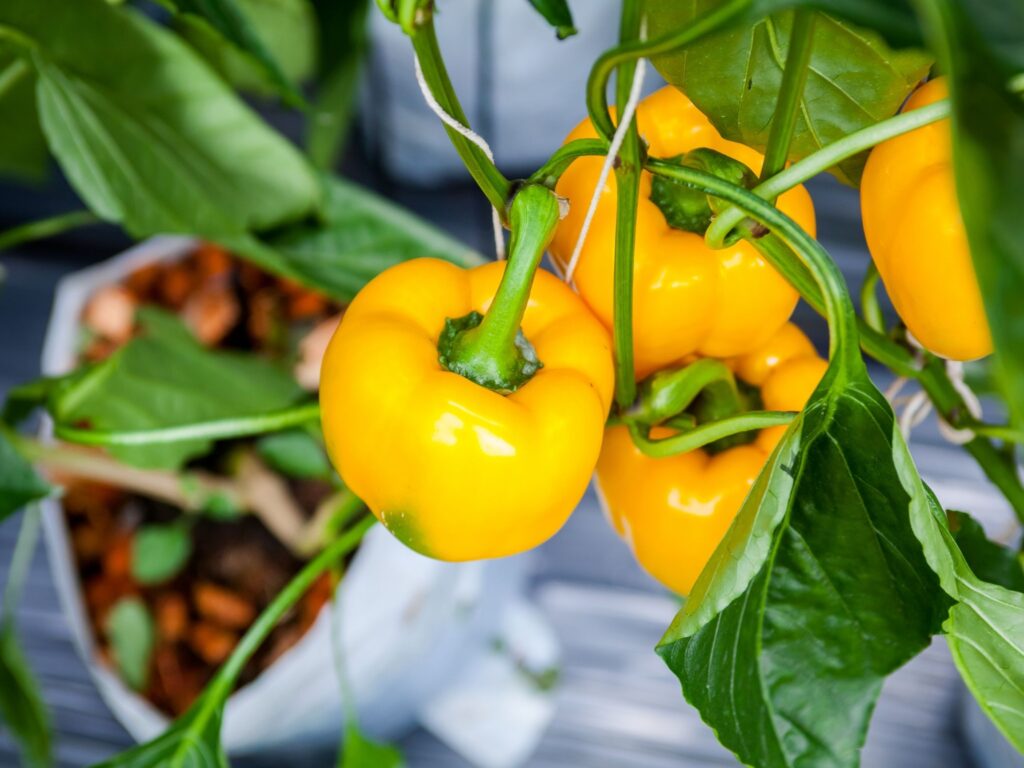
- Peppers
- Eggplants
Don’t forget to top-dress established perennial crops such as asparagus to encourage vigorous new growth.
Feed for Bigger Harvests
Healthy vegetables start with healthy soil. Before planting, enrich your garden beds with Atlantic Bio Ocean or Atlantic Bio Ganic to replenish nutrients and improve soil fertility naturally.
When transplanting seedlings, incorporate Atlantic Bio Rock Root Builder into the planting hole to encourage rapid root establishment and reduce transplant stress. Well-fed plants develop stronger root systems, making them more resilient while producing healthier, more abundant crops.
Harvest Time
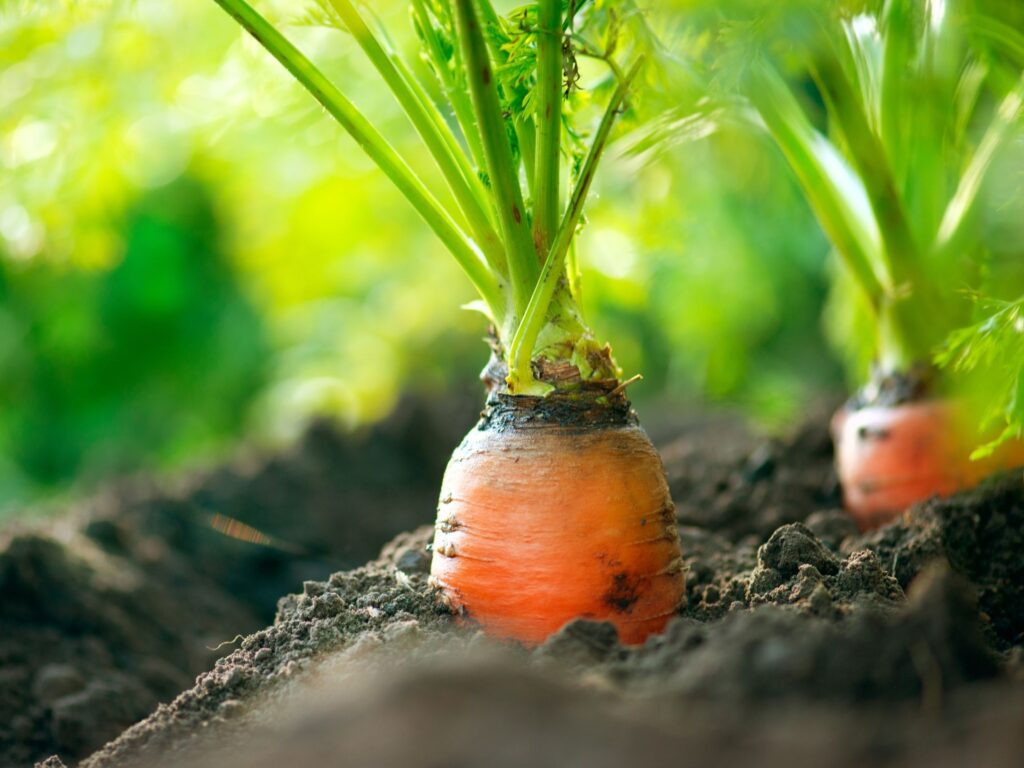
Don’t overlook your winter vegetables. Continue harvesting mature root crops, including:
- Parsnips
- Turnips
- Beetroot
- Carrots
- Radishes
Regular harvesting encourages continued production and keeps vegetables at their best.
Motivated Maintenance
A few simple maintenance tasks in August will make a remarkable difference once spring arrives. Taking care of your lawn, protecting plants from wind and pests, and preparing your garden beds now will set the stage for months of healthy growth.
Lawn Loving
August is the perfect time to give your lawn a head start before active spring growth begins.
Your pre-spring lawn routine should include:
- Mowing the lawn slightly shorter than usual.
- Raking thoroughly to remove thatch and winter debris.
- Levelling uneven patches with quality topsoil.
- Applying a thin layer of compost or lawn dressing.
- Feeding with Atlantic Bio Ganic Lawns to encourage lush, healthy green growth.
If you have shady areas, now is also an excellent time to sow shade lawn seed while soil temperatures begin to rise.
A well-fed lawn will green up faster, recover more quickly from winter dormancy and naturally suppress weeds throughout spring.
Wind Whirling
August often brings strong seasonal winds, making it important to protect vulnerable plants.
Take time to:
- Stake newly planted trees to prevent wind damage.
- Secure climbing plants and creepers to their trellises.
- Tie in loose branches where necessary.
- Apply mulch around vegetable gardens to reduce soil erosion and help retain warmth and moisture.
These simple tasks can prevent unnecessary damage and keep young plants growing strongly.
Slug & Snail Patrol
As tender new spring growth emerges, slugs and snails become increasingly active.
A natural way to discourage these garden pests is by planting aromatic companion plants around susceptible crops.
Excellent natural barriers include:
- Mint
- Garlic
- Chives
- Geraniums
- Fennel
Their strong scent helps deter unwanted visitors while adding beauty and usefulness to your garden.
Ladybugs to the Rescue
One of the garden’s greatest allies is the humble ladybug.
These tiny predators feast on many common garden pests, including:
- Aphids
- Mealybugs
- Scale insects
- Thrips
- Caterpillars
Encourage ladybugs into your garden by avoiding unnecessary chemical pesticides and planting nectar-rich flowers that attract beneficial insects. Nature often provides the best pest control.
Frost Caution
Gardeners in colder regions should resist pruning frost-damaged plants just yet. Damaged foliage acts as natural insulation, protecting healthy stems from any late-season frosts. Wait until the danger of frost has passed before cutting plants back.
Visit your local GCA Garden Centre for inspiration, quality plants and all the essentials you need to get your garden spring-ready. Don’t forget to stock up on Atlantic Fertilisers’ range of organic-based products to nourish your soil naturally and help every part of your garden reach its full potential.