

Prepping Your Garden Now for a Spectacular Spring Display
August 1, 2026
October in the Garden
October 1, 2026
Spring into action!
September marks the beginning of spring in South Africa, and the garden is ready to wake up after the cooler winter months. As temperatures gradually rise and days become longer, plants begin producing fresh new growth, lawns start greening up and gardeners can finally get back into planting, sowing and preparing for the warmer months ahead.
Depending on where you are in South Africa, September can still bring chilly mornings, late cold fronts or dry, windy conditions. In the Western Cape, spring weather can be particularly unpredictable, while summer-rainfall regions begin preparing for the warmer, wetter growing season ahead.
The key to a successful September garden is preparation. Improve your soil, encourage strong root development, feed plants as they enter their active growing season and get your garden ready for the colourful months ahead.
Planting starts with strong roots
Spring is one of the busiest planting seasons of the year. Whether you are planting shrubs, perennials, trees, vegetables or colourful flowering plants, giving new plants a strong start is essential.
When planting, incorporate Atlantic Fertilisers Bio Rock Root Builder into the planting process to encourage healthy root development and help plants establish themselves successfully.
Strong roots mean stronger plants, improved resilience and better uptake of water and nutrients.
September is an excellent time to plant:
- Indigenous shrubs and trees
- Perennials
- Flowering annuals
- Herbs
- Vegetable seedlings
- Fruit trees
- Groundcovers
- New hedging plants
Prepare planting holes properly, loosen compacted soil and add compost where necessary. Water newly planted plants thoroughly and regularly while they establish.
Top tip:
Plant early in the morning or later in the afternoon to reduce stress on new plants, particularly during warm spring days.
A spekkie for thought
Portulacaria afra, commonly known as spekboom, is one of South Africa’s most versatile indigenous plants and a fantastic addition to the spring garden.
This hardy succulent is particularly well suited to our South African climate and can tolerate a variety of conditions, including heat, drought and coastal environments. Once established, spekboom is remarkably water-wise and low-maintenance.
Spekboom is available in a variety of shapes, colours and growth habits, making it suitable for almost every garden style.
Why we love spekboom:
Water-wise:
Once established, spekboom requires very little water, making it an excellent choice for water-conscious South African gardens.
Versatile:
Use it as a hedge, groundcover, container plant, bonsai, hanging basket feature or part of a mixed succulent display.
Easy to grow:
Spekboom is generally low-maintenance and responds well to pruning.
Soil stabiliser:
Its extensive root system can assist with stabilising soil and reducing erosion.
Edible:
The leaves are edible and have a refreshing, slightly tangy flavour.
Wildlife-friendly:
Spekboom can provide food and shelter for a variety of garden creatures.
When planting spekboom, make sure the soil drains well. Use Atlantic Fertilisers Bio Rock Root Builder when planting to encourage healthy root establishment, followed by regular feeding with Bio Ocean during the growing season.
Spekboom varieties to look out for:
- Tom Thumb
- Longstockings
- Macrophylla
- Limpopo
- Prostrata
- Aurea
- Variegata
- Tricolor
- Cork Bark
Whether you have a large indigenous garden or a small patio, there is a spekboom variety for you.
Fired-up flowers
Spring is the perfect time to add colour, texture and life back into the garden.
September is ideal for planting a mixture of annuals, perennials and flowering shrubs to create continuous colour throughout spring and into summer.
Add these to your spring garden:
- Alyssum
- Salvias
- Begonia ‘Dragon Wings’
- Verbenas
- Penstemons
- Gazanias
- Petunias
- Dianthus
- Clivias
- Camellias
- Azaleas
- Bearded iris
- Gaura
- Scabiosa
- Sweet violets
Warm-season bulbs such as dahlias and tuberous begonias can also be planted as temperatures rise.
For an easy burst of colour, sow:
- Sunflowers
- Zinnias
- Portulacas
- Cosmos
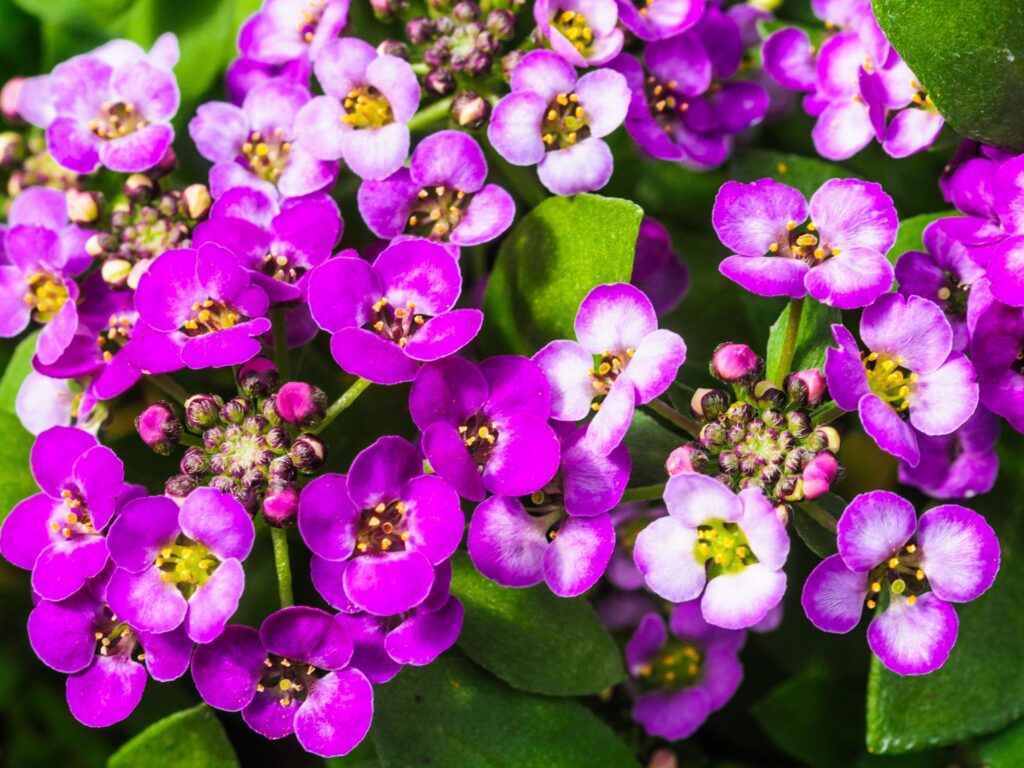
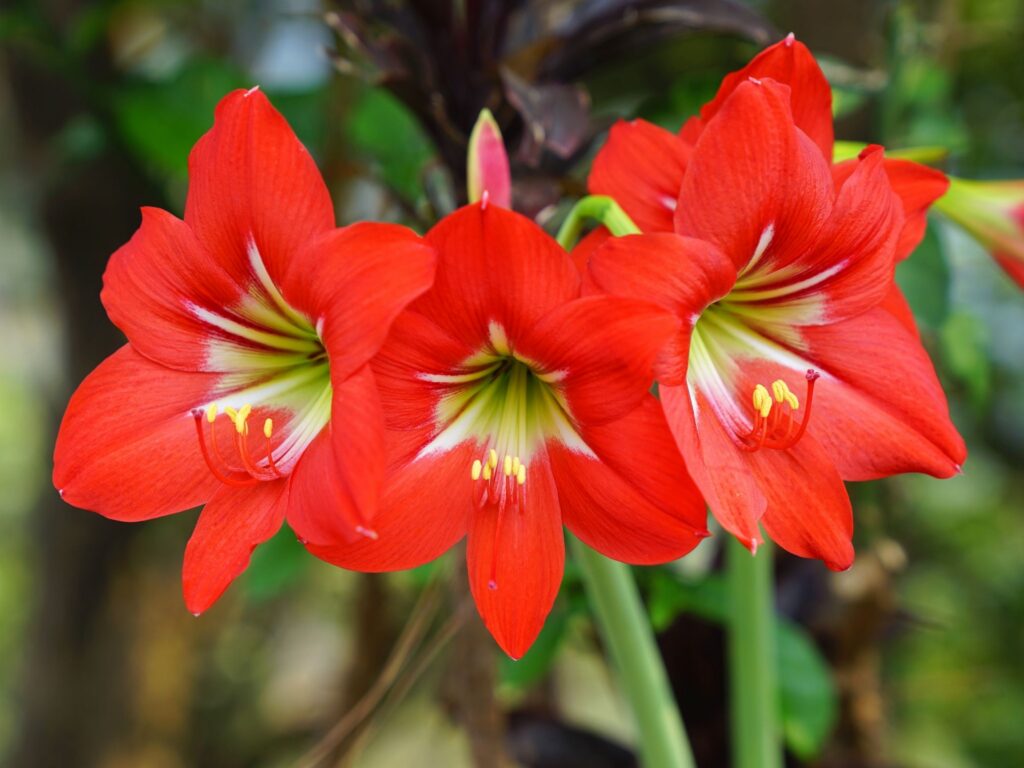

Feed for better blooms
As flowering plants begin producing new growth and flower buds, they need the right nutrition to perform at their best.
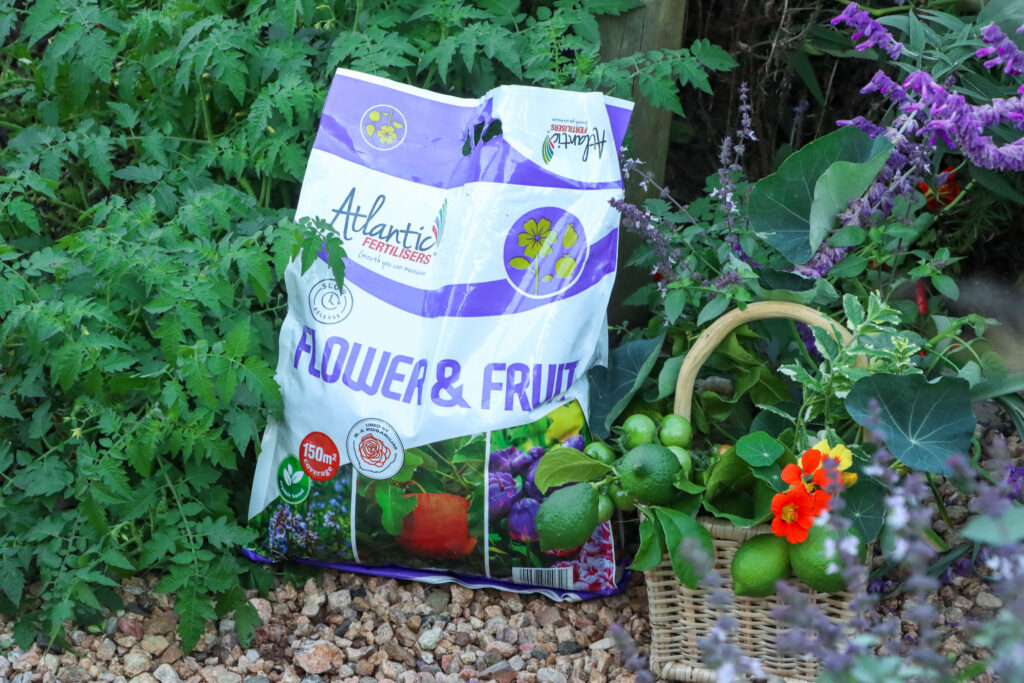
Feed all flowering and fruit-bearing plants with Atlantic Fertilisers Flower & Fruit. It is specially formulated to support healthy flowering and fruit production and is ideal for ornamental flowering plants, roses, fruit trees and productive gardens.
For new plants, start with Bio Rock Root Builder to encourage strong roots, then continue feeding with Flower & Fruit as plants begin actively growing and flowering.
Remember to remove spent flowers regularly. Deadheading encourages many flowering plants to continue producing blooms.
Pruning and spring clean-up
September is a good time to tidy the garden and encourage healthy new growth.
Things to do:
- Remove dead, damaged or diseased growth.
- Deadhead pansies and violas.
- Prune back plants that have finished flowering where appropriate.
- Shape hedges and shrubs carefully.
- Remove winter weeds before they set seed.
- Clean fallen leaves and debris from garden beds.
- Refresh mulch around plants.
Avoid heavy pruning of plants that are about to flower, as you may accidentally remove developing buds.
A light tidy-up and gentle shaping are often all that is needed.
Grow your own goodness
The vegetable garden really starts coming alive in spring.
September is the perfect time to prepare beds, enrich the soil and start planting warm-season vegetables, although planting times may vary depending on your region and the risk of late frost.
Plant or sow:
- Tomatoes
- Chillies
- Peppers
- Eggplant
- Lettuce
- Beetroot
- Spinach
- Swiss chard
- Carrots
- Beans
- Cucumbers
- Pumpkins
- Mealies and sweetcorn
- Cabbage
In cooler areas, protect tender summer vegetables from unexpected late cold snaps.
Herbs to plant:
- Basil
- Coriander
- Rosemary
- Oregano
- Dill
- Mint
- Parsley
- Chives
- Fennel
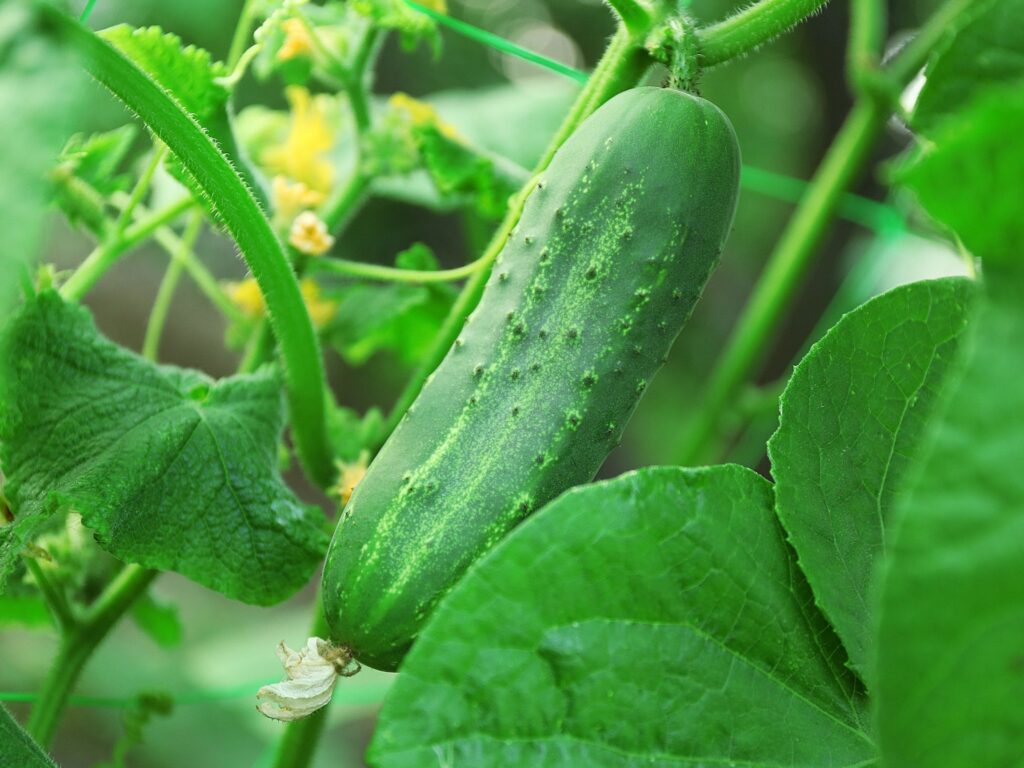

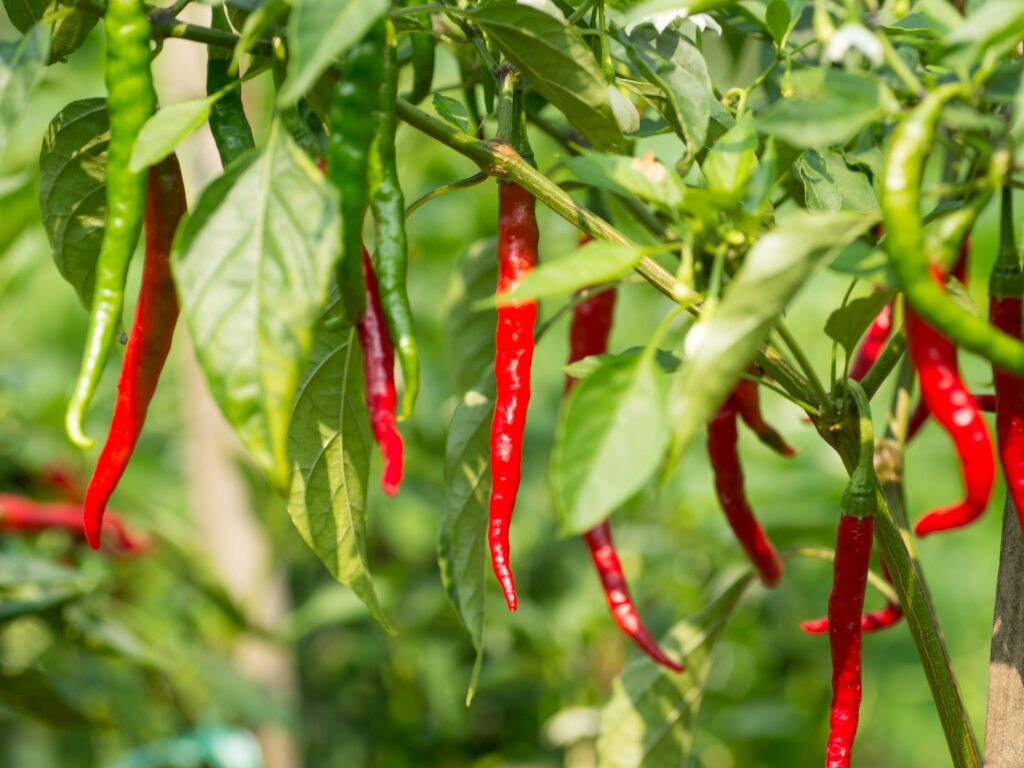
When planting vegetables and herbs, prepare the soil well with compost and use Atlantic Fertilisers Bio Rock Root Builder to help seedlings and young plants establish strong, healthy root systems.
Once plants are actively growing, feed them regularly with Bio Ocean, an excellent choice for supporting healthy growth throughout the garden.
For tomatoes, peppers, cucumbers, fruit trees and other flowering or fruit-bearing crops, use Flower & Fruit to support flowering and productive harvests.
Feed your garden with Bio Ocean
Spring growth requires energy.
As plants wake up after winter and begin producing fresh leaves, stems and roots, regular feeding can help support healthy, vigorous growth.
Atlantic Fertilisers Bio Ocean is an excellent addition to your spring feeding routine and can be used throughout the garden.
Use it to support:
- Vegetables and herbs
- Shrubs
- Indigenous plants
- Perennials
- Container plants
- Newly established plants
- General garden growth
Healthy plants start with healthy soil and strong roots, so combine good soil preparation, sensible watering and regular feeding for the best results.
Trees for your garden
Spring is a wonderful time to plant trees, particularly indigenous species that are adapted to local South African conditions.
Consider planting:
- Paperbark acacia
- Fever tree
- Pompon tree
- Forest elder
- Cape chestnut
- Wild pear
When planting a tree, remember that the most important growth happens below the soil.
Use Atlantic Fertilisers Bio Rock Root Builder when planting to encourage healthy root development and establishment.
Water deeply while young trees establish, and apply mulch around the base to help retain soil moisture. Keep mulch away from directly touching the trunk.
Our indigenous favourite: Wild Peach
Kiggelaria africana, commonly known as the wild peach, is a wonderful indigenous tree for wildlife-friendly South African gardens.
It is an attractive, evergreen to semi-deciduous tree depending on the climate and growing conditions and can be used as a feature tree, screening plant or wildlife garden addition. The wild peach is particularly valuable because it supports insects and butterflies, helping to create a healthy and active garden ecosystem.
Birds also benefit from the insects attracted to the tree, making it an excellent choice for gardeners wanting to encourage biodiversity. Plant with Bio Rock Root Builder to give your new tree the strongest possible start.
Give your lawn a spring boost
After winter, lawns often need a little help to recover and prepare for the active growing season ahead.
September is a great time to give your lawn some attention before the warmer summer months arrive.
Lawn checklist:
- Rake away dead grass and leaves.
- Repair bare patches.
- Aerate compacted areas where necessary.
- Apply a lawn dressing or fine compost.
- Begin mowing regularly as growth increases.
- Check irrigation systems.
- Feed your lawn.
Give your lawn a boost with Atlantic Fertilisers Bio Ganic Lawns.
One of the great advantages is that Bio Ganic Lawns is water-wise, making it an excellent choice for South African gardens where water conservation is always important.
You do not have to worry about using excessive amounts of water to maintain your lawn after application, making it ideal for gardeners wanting a healthier lawn while remaining water-conscious.
Bio Ganic Lawns will also not burn your lawn, giving you peace of mind when feeding your grass.
A healthy, well-fed lawn can recover beautifully during spring and provide a lush, green space for the busy outdoor months ahead.
Remember:
Water deeply and sensibly rather than lightly and excessively. Adjust watering according to rainfall, temperatures and local water restrictions.
Prepare for spring watering
Spring weather in South Africa can vary dramatically from region to region.
The Western Cape may experience lingering winter rainfall and strong winds, while other areas become progressively warmer and drier before summer rains arrive.
Now is the time to check:
- Irrigation systems
- Sprinklers
- Drippers
- Leaking taps
- Hosepipes
Use mulch around plants to reduce moisture loss and help keep roots cool as temperatures increase.
Choose indigenous and water-wise plants wherever possible to create a garden that looks beautiful while requiring less water.
Pesky pest alert
Unfortunately, spring does not only wake up our plants!
Warmer weather also encourages insects and pests to become more active.
Keep an eye out for:
- Aphids on fresh new growth
- Snails and slugs around young seedlings
- Cutworms damaging young plants
- Thrips on flowering plants
- Citrus psylla on citrus trees
- Leaf problems on azaleas
- Caterpillars on vegetables
- Whitefly on susceptible plants
Inspect plants regularly, especially underneath leaves and around new growth.
Healthy plants are generally better able to cope with pest pressure, so keep plants well-watered, properly fed and growing in suitable conditions.
Where treatment is necessary, consider environmentally responsible pest-control options and always follow product instructions carefully.
September maintenance checklist
Spring is busy, but a little time spent in the garden now will pay off throughout the season.
This month:
✓ Plant new flowers, vegetables, trees and shrubs.
✓ Use Bio Rock Root Builder when planting.
✓ Feed actively growing plants with Bio Ocean.
✓ Feed flowering and fruit-bearing plants with Flower & Fruit.
✓ Give lawns a boost with Bio Ganic Lawns.
✓ Repair bare lawn patches.
✓ Refresh mulch and compost.
✓ Check irrigation systems.
✓ Start regular mowing as lawns begin actively growing.
✓ Deadhead flowering plants.
✓ Remove weeds before they become established.
✓ Keep an eye out for spring pests.
✓ Sow seeds for colourful summer flowers and productive vegetables.
Your Atlantic Fertilisers Spring Feeding Guide
When planting:
Bio Rock Root Builder
Encourage strong, healthy root development and help new plants establish successfully.
For general garden feeding:
Bio Ocean
Support healthy, vigorous growth across your garden as plants enter their active spring growing season.
For flowers and fruit:
Flower & Fruit
Feed all flowering and fruit-bearing plants to support beautiful blooms and productive harvests.
For your lawn:
Bio Ganic Lawns
Give your lawn a spring boost with a product that is water-wise and will not burn your lawn.


Spring is here!
September is the month to get your hands dirty and prepare your garden for the beautiful months ahead. Plant something new. Feed your garden. Strengthen your roots. Encourage flowers and fruit. Give your lawn some attention and enjoy watching your outdoor space come back to life.
With a little preparation now, your South African garden will be ready to flourish throughout spring and into summer.
Happy gardening from Atlantic Fertilisers!